Aerodynamics is the second-largest cause of energy loss in refrigerated HGVs, accounting for an average of 21%. Solomon Commercials Slipstream technology offers advanced airflow optimisation designed to maximise fuel savings and support more sustainable cold-chain delivery.

Ask about aerodynamic systems for refrigerated vehicles.
Contact Sales
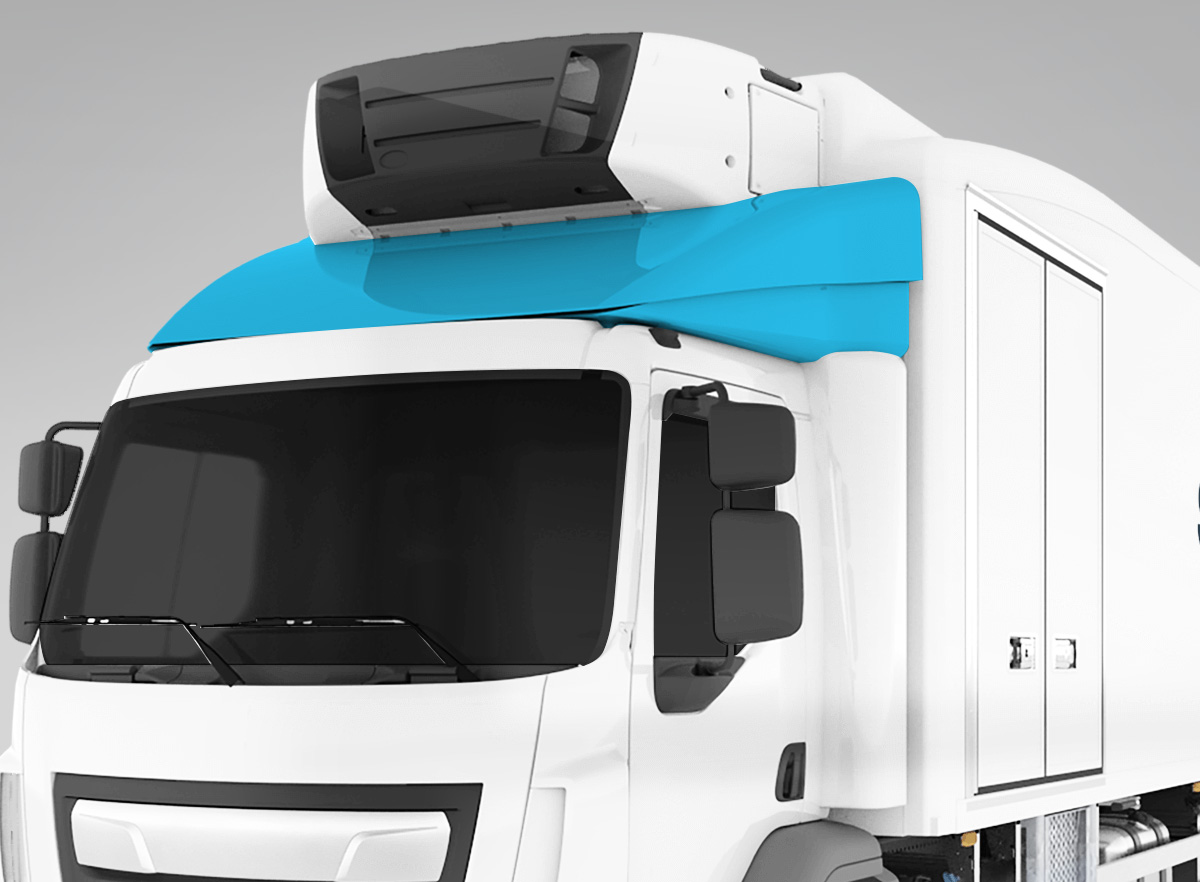
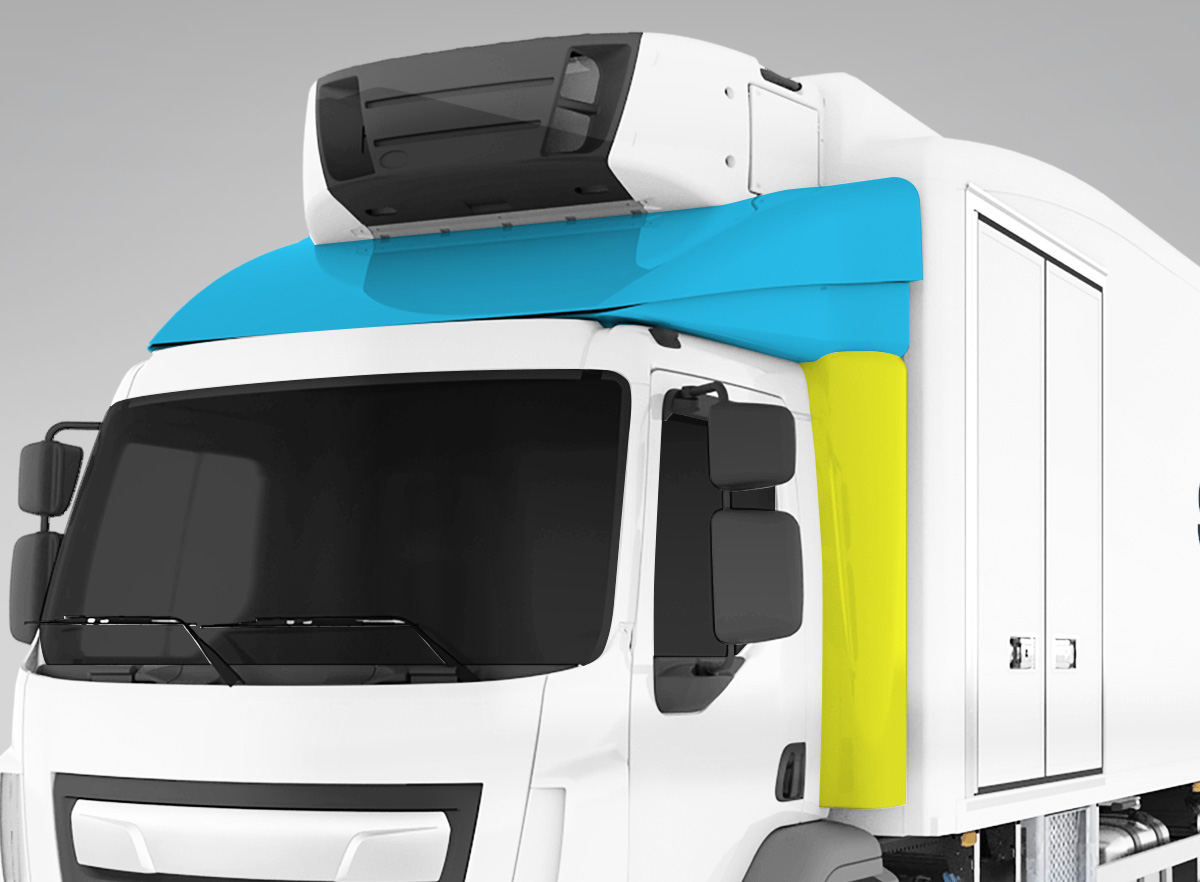
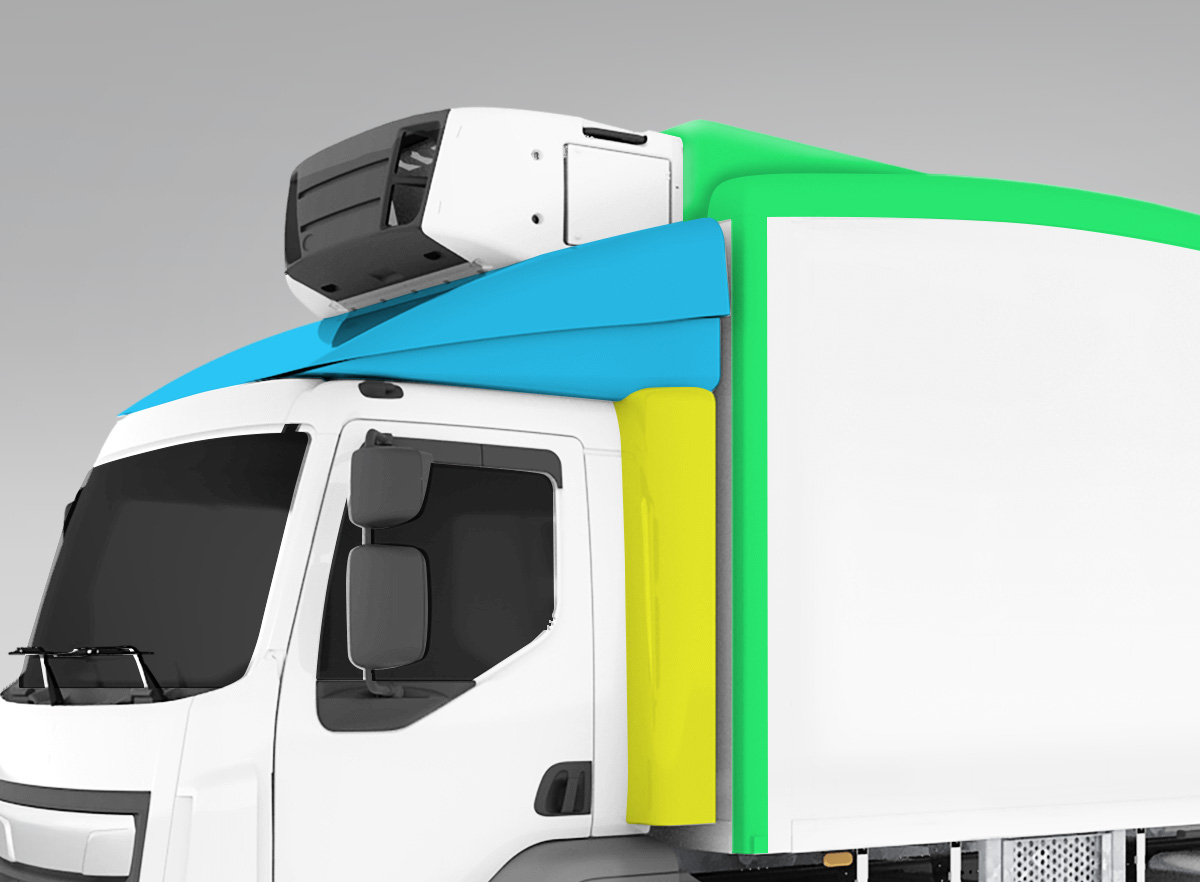

Refrigerated HGV average fuel consumption is distributed over different losses: engine (60%), aerodynamics (21%), rolling resistance (13%) and other losses (6%).
This means that Aerodynamics is the second biggest item in terms of energy losses and enhancing aerodynamic performance features to optimise airflow is a source of increased improvement and reduced costs on fuel consumption that cant be ignored.
Through technology and research partnerships with leading institutions, we’re committed to driving efficiencies and helping reduce energy costs on refrigerated transport vehicles.
Through considered aerodynamic shaping our experts have designed aerodynamic systems that have been independently tested and verified to improve temperature controlled vehicle efficiency and increase fuel saving and EV range optimisation.

Solomon Commercials partners with the University of Manchester’s Department of Mechanical, Aerospace and Civil Engineering to study the aerodynamic benefits of refrigerated vehicles.

Refrigerated vehicles are heavy and require a high amount of fuel and power to maintain their speed during their journeys.
Understanding the airflow around a HCV body and by enhancing aerodynamic performances, large savings can be realised in terms of fuel consumption, and reduced greenhouse gas (GHG) emissions and costs of operation.

Contact our sales team for more information.
Call 01706 211 211 or click the contact form button and we’ll get back to you.
